










How to Understand LED Lighting Parameters | Beam Angle & CRI Explained
When choosing lighting for commercial signage, retail environments, or home use, you'll often encounter terms like luminous flux, illuminance, color temperature, CRI, and beam angle. These are not just technical concepts—they directly determine how light performs in real applications.
This guide explains these parameters in a practical and easy-to-understand way, helping you evaluate lighting products with confidence.
What Are Optical Parameters in LED Lighting?
Optical parameters describe how light is produced, distributed, and perceived. In simple terms, they answer three key questions:
- How bright is the light?
- Where does the light go?
How natural does the light appear?
Core Optical Parameters Explained
Luminous Flux (lm): Total Light Output
Luminous flux measures the total amount of visible light emitted by a source. The higher the lumen value, the brighter the light output. Modern LED lighting achieves high brightness with significantly lower energy consumption.

Illuminance (lx): Surface Brightness
Illuminance describes how much light reaches a surface. It changes depending on distance and angle, which is why lighting design must consider both output and placement.

Color Temperature (K): Light Appearance
Color temperature defines whether light appears warm or cool. Warm light (2700–3500K) creates a comfortable atmosphere, while cool light (5000K+) is suitable for task-oriented environments.

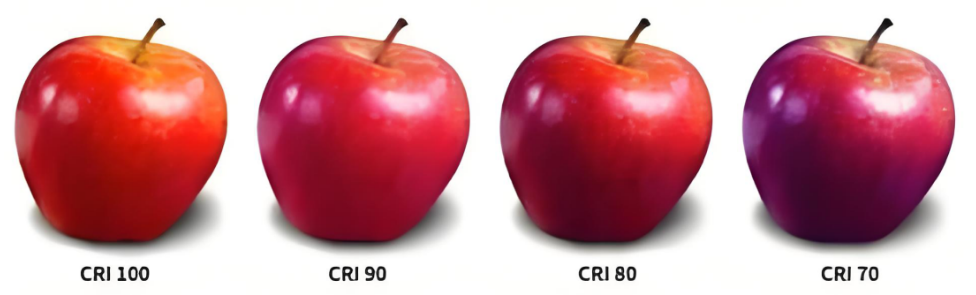
Color Rendering Index (CRI): Color Accuracy
CRI measures how accurately a light source renders colors. A CRI above 80 is suitable for general lighting, while CRI above 90 is recommended for retail and branding applications.
Luminous Efficacy (lm/W): Energy Efficiency
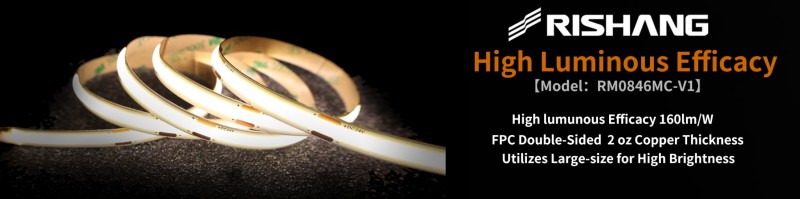
Luminous efficacy indicates how efficiently a light converts electricity into visible light. Higher efficacy means lower energy consumption and reduced operating costs.
Light Distribution Curve: Where the Light Goes
The light distribution curve shows how light intensity is distributed in different directions. It is a key tool in professional lighting design.

Beam Angle Explained
- Narrow (<20°): focused, high intensity
- Medium (20°–40°): balanced distribution
Wide (>40°): broad and uniform coverage

How Optical Parameters Are Tested
Accurate optical data comes from professional laboratory testing using specialized equipment.
- Integrating sphere: measures total luminous flux and color data
- Gonio-photometer: measures light distribution and beam angle
Testing follows international standards such as :contentReference[oaicite:0]{index=0} to ensure consistency and reliability.

Practical Lighting Selection Guidelines
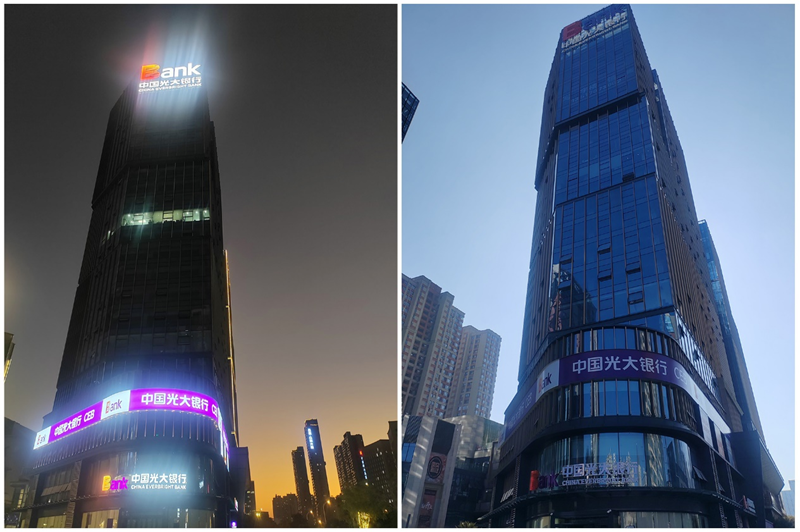
Commercial Signage Lighting
- Wide beam angle (>120°) for uniform lighting
- High efficacy (>100 lm/W) for energy saving
- CRI ≥ 80 (≥90 for premium branding)
Color temperature aligned with brand identity
Retail and Interior Lighting
- Narrow beam (10–30°) for accent lighting
- Wide beam (60–120°) for general lighting
- CRI ≥ 90 for accurate color display
Residential Lighting
- Living room: wide beam, neutral light (~4000K)
- Bedroom: warm light (2700–3000K)
- Study: high CRI (≥90), focused lighting
- Dining area: warm, directional lighting

Conclusion: Choosing the Right Light
Understanding optical parameters helps you move beyond guesswork. By considering brightness, distribution, color quality, and efficiency, you can select lighting that performs reliably in real environments.
Lighting is not just about brightness—it is about control, consistency, and purpose.
Need Help Choosing the Right LED Strip?
Contact our team for expert advice on LED solutions.


